Sun Safety for Kids and Babies: What Pediatric Groups Advise
The basics for babies and children.
We may earn a commission when you buy through links on this page, at no extra cost to you. This does not change which products we cover. How we make money.
Under 6 months
- Keep babies out of direct sun. Use shade, light long sleeves and pants, and a wide-brimmed hat.
- FDA says sunscreen is not usually recommended. If shade and clothing are not possible, ask your pediatrician.
6 months and up
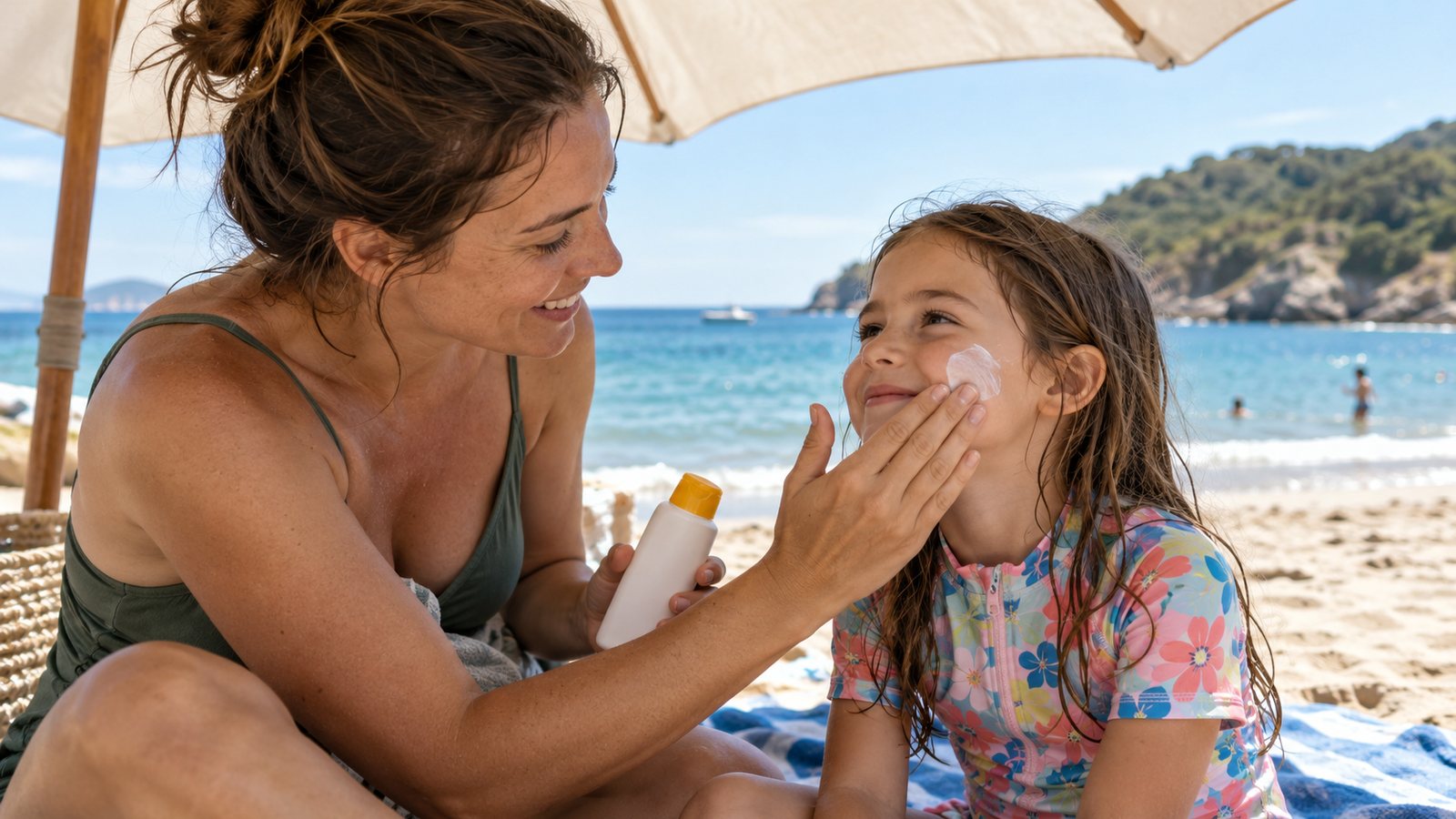
- Use broad-spectrum SPF 15 or higher on uncovered skin, and reapply every two hours and after swimming or sweating.
- Add a brimmed hat and UV-blocking sunglasses. See how to choose sunglasses.
- Plan play for the morning or late afternoon. CDC says UV is strongest 10 a.m. to 4 p.m. daylight time.
Gear that helps
A beach shade like those in Shibumi vs Neso and UPF clothing (see what UPF means) cut how much sunscreen you need.
Why babies need extra care
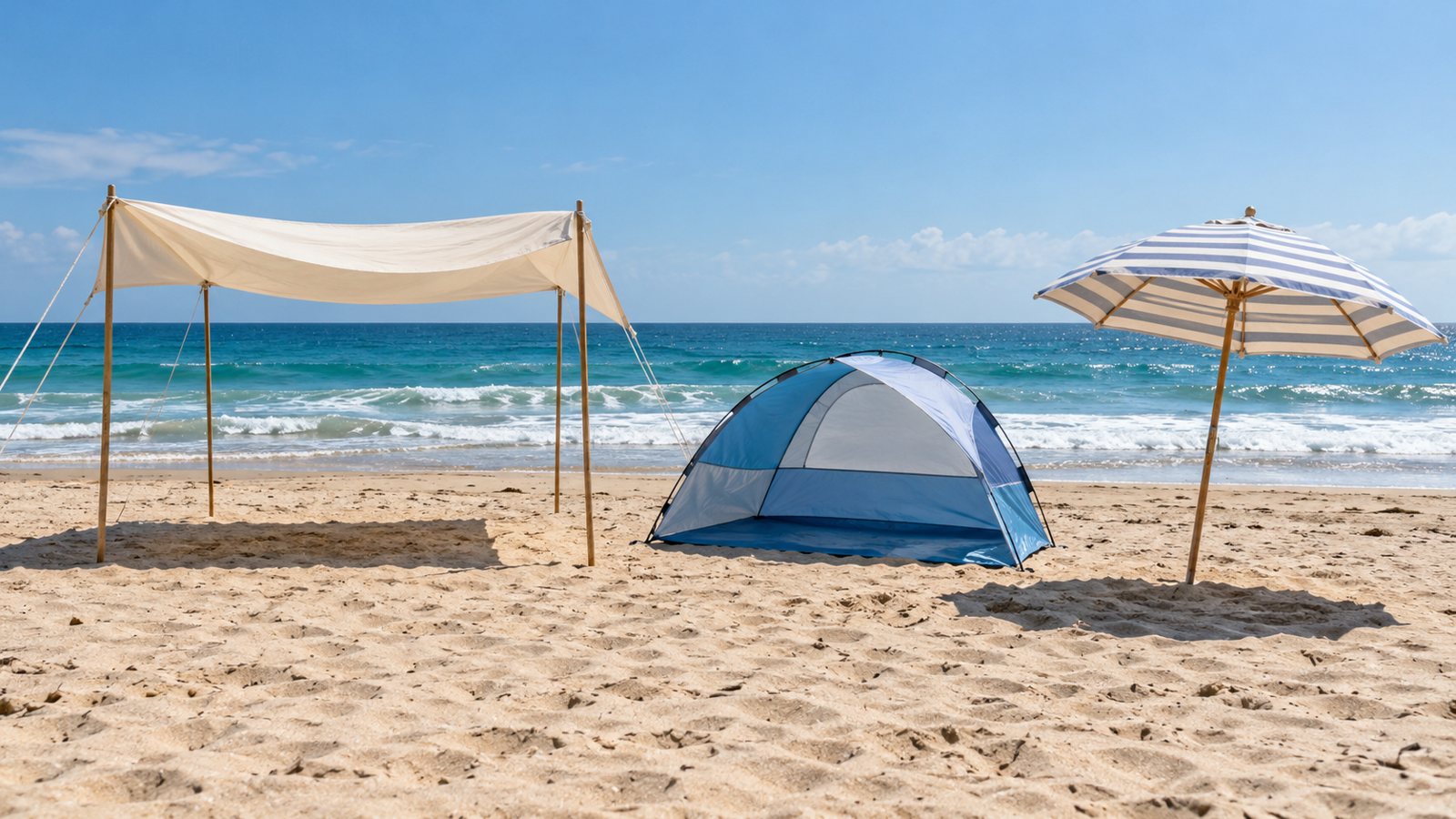
The FDA says infants are at greater risk than adults of side effects from sunscreen, such as a rash. Both the FDA and the AAP recommend keeping babies under 6 months out of direct sunlight. Natural shade, such as a tree, works, as do a beach umbrella, a pop-up tent or a stroller canopy. The FDA says it is especially important to avoid 10 a.m. to 2 p.m., when UV is most intense.
The FDA also notes that young babies do not sweat the way adults do. They can overheat easily and have a greater risk of dehydration. If you are out in the sun for more than a few minutes, give formula or breast milk, and pack a cooler.
Dressing an infant
- Lightweight long pants and long-sleeve shirts.
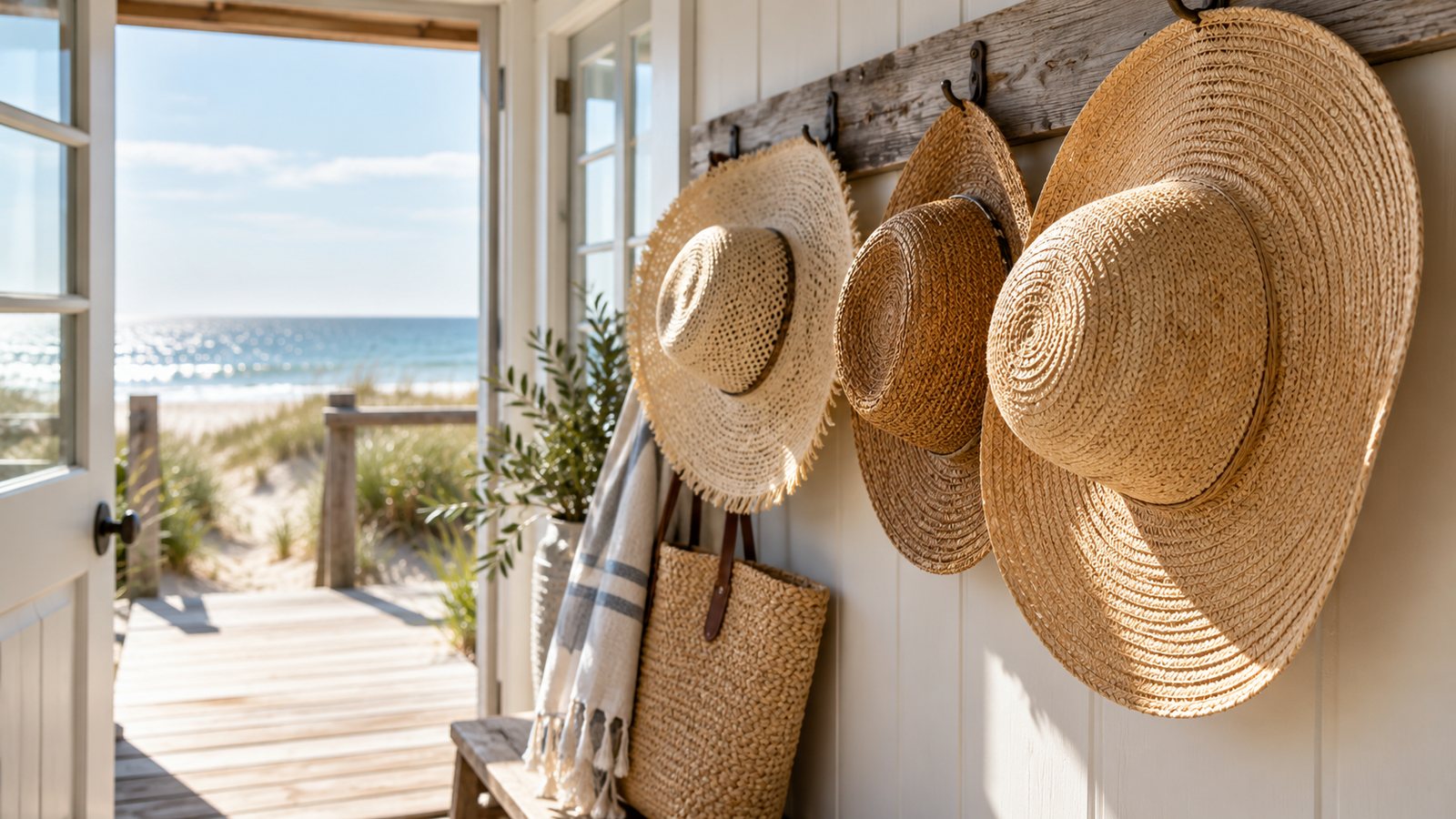
- A hat with a brim that shades the face, neck and ears. The FDA says baseball caps do not shade the neck or ears.
- Tight weaves over loose ones. The FDA’s test: if you can see your hand through the fabric, it probably does not protect enough.
Warning signs
The FDA lists fussiness, redness and excessive crying as signs of sunburn or dehydration. If your baby is getting sunburned, get out of the sun right away, apply cold compresses and call your pediatrician.
Older children, per AAP
| AAP tip | Detail |
|---|---|
| Cover up first | Covering up is the first and best defense; cotton is cool and protective |
| Peak hours | Limit sun between 10 a.m. and 4 p.m. |
| Reflection | UV bounces off sand, water, snow and concrete |
| Hat | A wide brim that shades the cheeks, chin, ears and back of the neck |
| Sunscreen timing | SPF 15 or higher, applied 15 to 30 minutes before going out |
| Reapply | Every two hours, and after swimming, sweating or toweling off |
| Label | Water resistant and broad spectrum; the AAP suggests zinc oxide or titanium dioxide and, if possible, avoiding oxybenzone |
| SPF 50+ | The AAP says the extra benefit is limited |
The AAP says it is okay to use sunscreen on small areas of a young baby’s skin that clothing and hats do not cover. Babies put their hands in their mouths often, so keep it off their hands.
Heat and air quality
The AAP also advises watching for heat illness: dress children appropriately, take breaks, and offer plenty of water. Check your local Air Quality Index, and ask your pediatrician whether your child’s medicines raise the risk of heat illness.
At school
The CDC encourages schools to provide shade, move activities to shaded areas, avoid scheduling outdoor activities at midday, and give breaks so students can reapply sunscreen and get water.
Frequently asked questions
Can babies under 6 months wear sunscreen?
FDA and CDC say it is not recommended. Keep them in shade with clothing and a hat, and ask a pediatrician if shade is not possible.
What SPF for kids?
AAP advises broad-spectrum SPF 15 or higher for children 6 months and older.