What Is UPF? Sun-Protective Clothing Ratings Explained
The number on a sun shirt tag, explained.
We may earn a commission when you buy through links on this page, at no extra cost to you. This does not change which products we cover. How we make money.
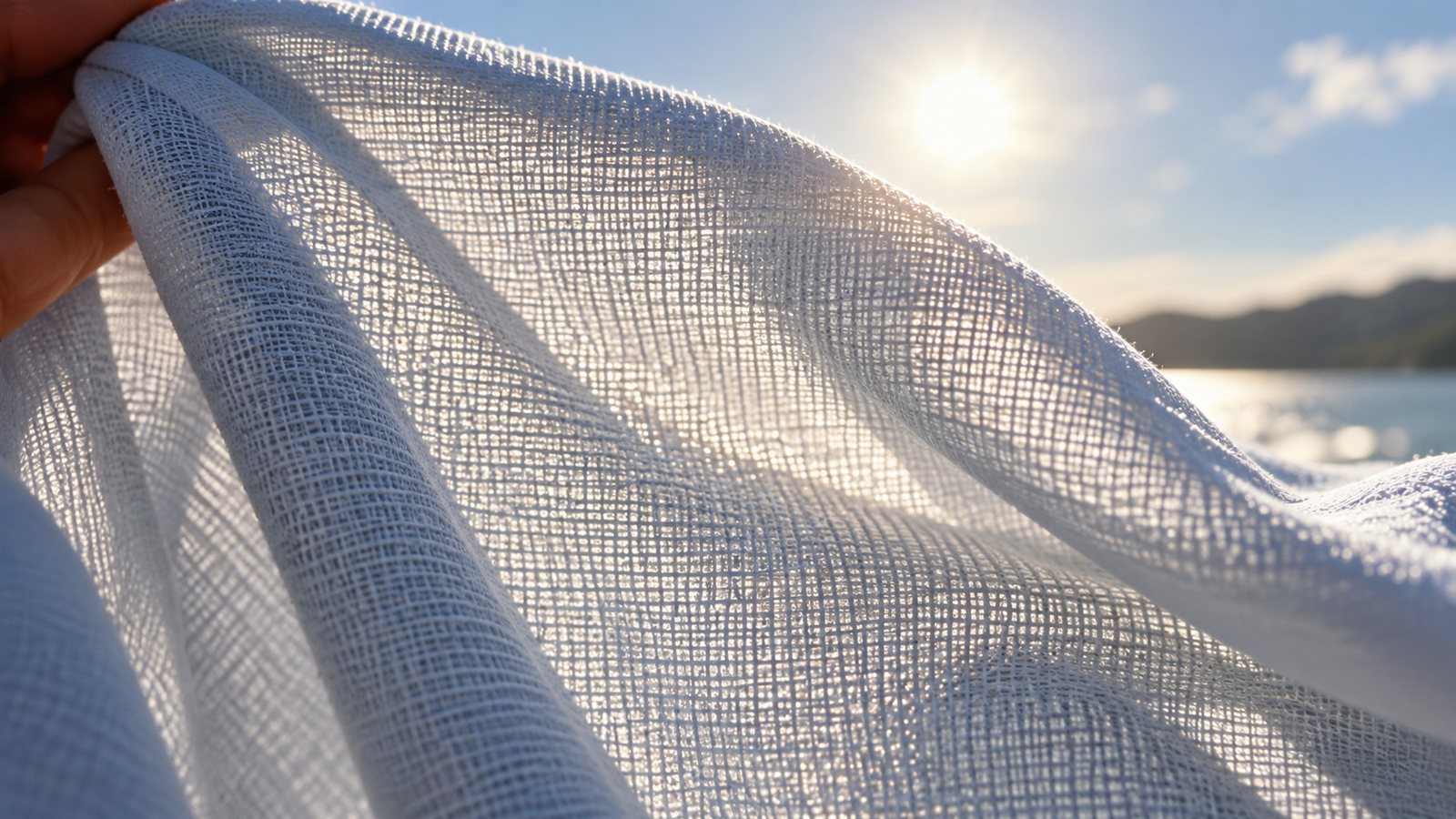
UPF (ultraviolet protection factor) rates how much UV passes through fabric.
The ratings
| UPF | UV blocked (approx.) |
|---|---|
| 15 | 93.3% |
| 30 | 96.7% |
| 50 | 98% |
The Skin Cancer Foundation’s seal needs UPF 50 or more.
Beyond the tag
CDC says tightly woven fabric protects best, dark colors may protect more than light, and a wet T-shirt protects less than a dry one.
Coverage matters too: long sleeves, a hood and a brim cover more skin. Compare sun shirts and hoodies and UPF sun hats.
UPF vs. SPF
The Skin Cancer Foundation says UPF measures how much UV radiation, both UVB and UVA, gets through a fabric to your skin. A UPF 50 fabric lets through about 1/50th of the rays, blocking 98%. SPF applies to sunscreen and mainly reflects UVB protection. The foundation also points out that, unlike sunscreen, clothing never needs reapplying.
| Rating | Skin Cancer Foundation grade |
|---|---|
| UPF 30–49 | Very good protection |
| UPF 50+ | Excellent; required for the foundation’s Seal of Recommendation |
What makes a fabric protective
The foundation lists these factors:
- Color. Dark or bright colors absorb UV instead of letting it through, so they protect better than light shades.
- Construction. Densely woven cloth such as denim, canvas, wool or synthetic fiber beats sheer, thin or loose weaves.
- Content. Unbleached cotton contains lignins that absorb UV. Shiny polyesters and satiny silks reflect radiation. Some high-tech fabrics are treated with UV absorbers or dyes.
- Fit. Loose is better. Tight clothing stretches, which pulls the fibers apart and lets more UV through.
- Coverage. The more skin covered, the better. Choose long sleeves and long pants or skirts.
- Activity. Clothing that is stretched or wet loses some protection, whatever its UPF.
Everyday clothes, for comparison
The foundation says a white T-shirt has a UPF of about 7, and only about 3 when wet. A dark, long-sleeved denim shirt can reach about 1,700. The CDC agrees that a wet T-shirt protects less than a dry one, and says some clothing is certified to protect against UV.
Hats
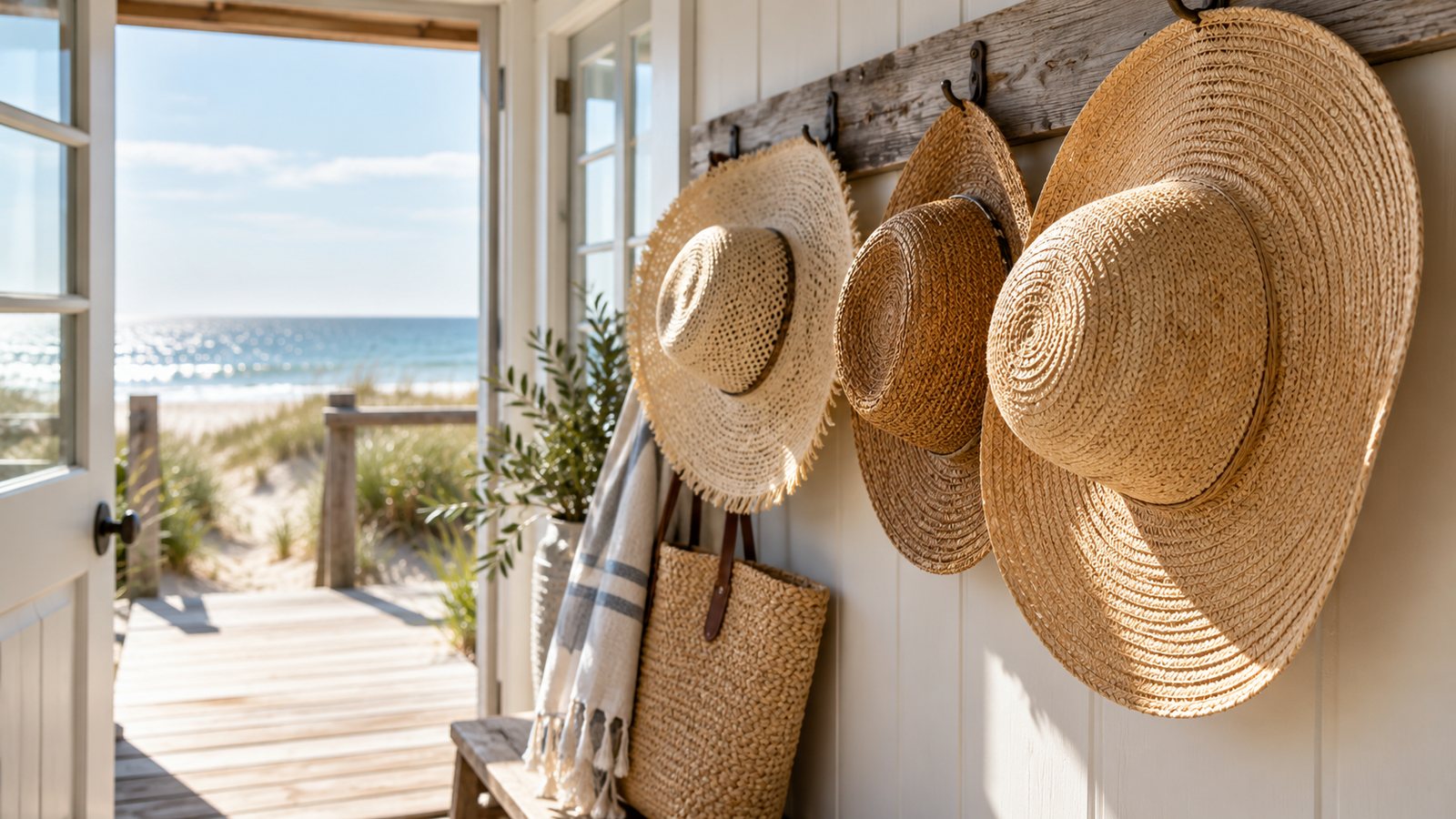
The foundation recommends a brim of at least three inches to shade the face, scalp, neck, shoulders and upper back, including the tops of the ears. It prefers tight weaves over loose straw. It notes that basal and squamous cell carcinomas, about 90% of all skin cancers, often appear on the head and neck. The CDC also recommends a brim all the way around and warns against straw hats with holes.
UPF is one layer
The CDC still recommends broad-spectrum SPF 15+ sunscreen on skin that clothing leaves bare, plus shade and UV-blocking sunglasses.
Frequently asked questions
What does UPF 50 mean?
About 2% of UV gets through, so it blocks about 98%.
Does a regular T-shirt protect?
Some. CDC says a wet shirt protects less than a dry one.